
Engagement.
Over the past weeks and months, my colleagues and I have increasingly been asked what WUM is actually doing in the area of sustainability. Whether we could share examples that illustrate our approach. Or what our general position on the subject is.
The honest answer is that we have been addressing sustainability-related aspects in our projects for a long time—probably longer than is apparent from the outside. When we refer to sustainability aspects at WUM, we primarily mean making suitable materials and components usable for as long as possible, reviewing procurement and logistics options on a project-by-project basis, and considering working conditions and collaboration within the company.
Depending on the project requirements, intended use, schedule, budget and available materials, our exhibition stands are also conceived and designed with factors such as material use, reuse, logistics, procurement and service life in mind. We do not always put this at the forefront. Individuality, creativity, functionality and our clients’ requirements are equally essential parts of a successful project.
Since 2024, we have been certified to ISO 20121 for sustainable event management. We talk relatively little about this and are certainly not keen on making a major marketing effort around it. Ultimately, certificates are not an end in themselves for us. They demonstrate that we have addressed sustainability aspects in a structured way and over an extended period of time. What matters most, however, is what we actually do in our day-to-day work, how we respond to questions and whether we can stand up to critical discussion.
For economic reasons, we have been trying since 2008 to use materials and components for our clients for as long as possible. Materials that are generally not purchased by our clients but rented instead—for example, wall systems or rental furniture—are reused or put to further use afterwards, depending on their condition and suitability for future applications.
In procurement, we also review, depending on availability, technical requirements, schedules and project budgets, factors including supply routes, long-term supplier relationships, and the reusability and useful life of suitable materials and products. This does not always work, nor does it work in every case. However, we regularly question our decisions and aim to improve step by step.
When it comes to the practical delivery of an exhibition project, our clients also play a key role. More sustainable solutions need to be jointly supported and considered at an early stage. Reusable materials, modular concepts, longer use cycles or regional sourcing can affect design, schedules, availability and costs. If additional requirements result in extra costs, we need to address this openly and find a viable solution together.
For our employees, we aim to create an environment in which they can work safely, feel comfortable and find meaning in what they do. Without fair working conditions and remuneration, additional benefits and a flexible approach to individual needs and personal circumstances, we would have little chance of competing with better-paying industries and other competitors. This is particularly relevant given the seasonal nature of our business and the sometimes high workloads during trade fair periods. For us, this also includes development opportunities, short decision-making paths, and employee involvement in change and decision-making processes.
I could write much more on this subject, but I do not want to take up too much of your time—or mine. Instead, let us talk personally and find out whether we share a similar perspective on these matters and whether working together could be a good fit for your requirements.
I welcome every exchange and every new perspective on these topics and am always happy to talk—via the usual social media channels or by email at denis.beutler@wum.de.
Yours sincerely,
Denis Beutler

Next generation
Social Responsibility
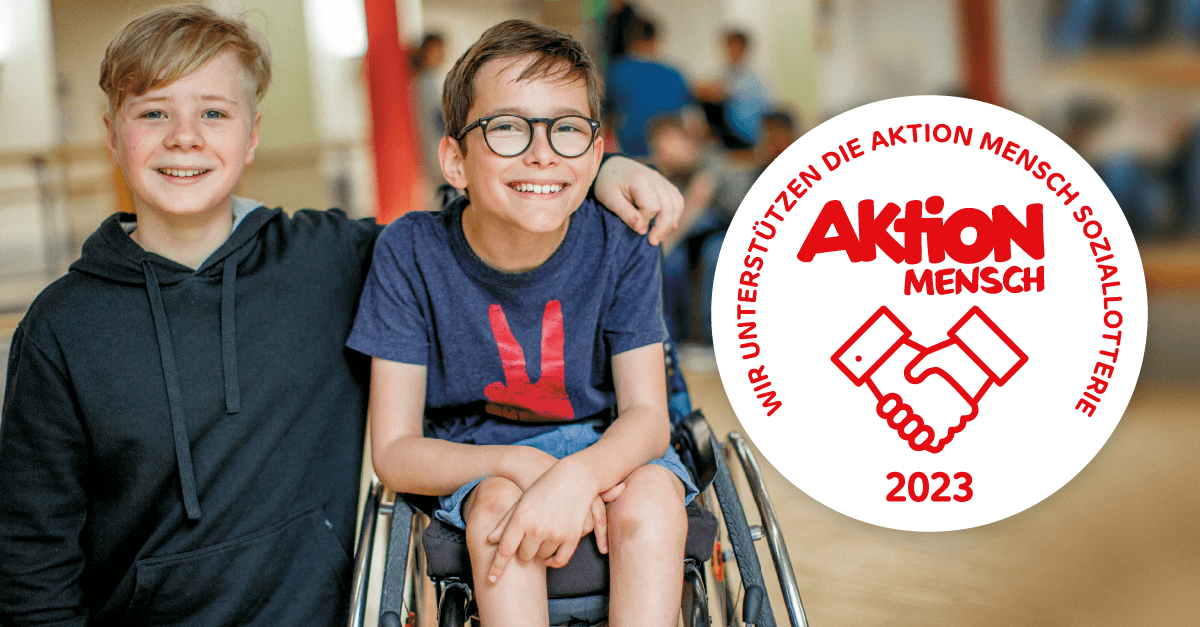
Social engagement, as the third pillar of sustainability, aims to improve the living conditions of other people. WUM Brand Spaces supports various initiatives both domestically and internationally. An example is the Aktion Mensch, which has been implementing social projects for people with disabilities, children, and adolescents for many years.

Sustainability in Trade Fair Construction
The trade fair industry is an important economic factor and a platform for showcasing the latest products, technologies, and services. Unfortunately, conducting trade fairs can also leave a significant ecological footprint. Even a trade fair booth can impact the environment through the resources required, as well as personnel and travel needs. Fortunately, sustainability in trade fair construction is becoming increasingly important for companies that take their responsibility for the environment and society seriously. There are now ways to make trade fair construction more sustainable. Examples include the use of sustainable materials, the reuse of booth elements, and the utilization of digital media. Our team is happy to advise you on creating a sustainable trade fair presence.
Our sponsored children
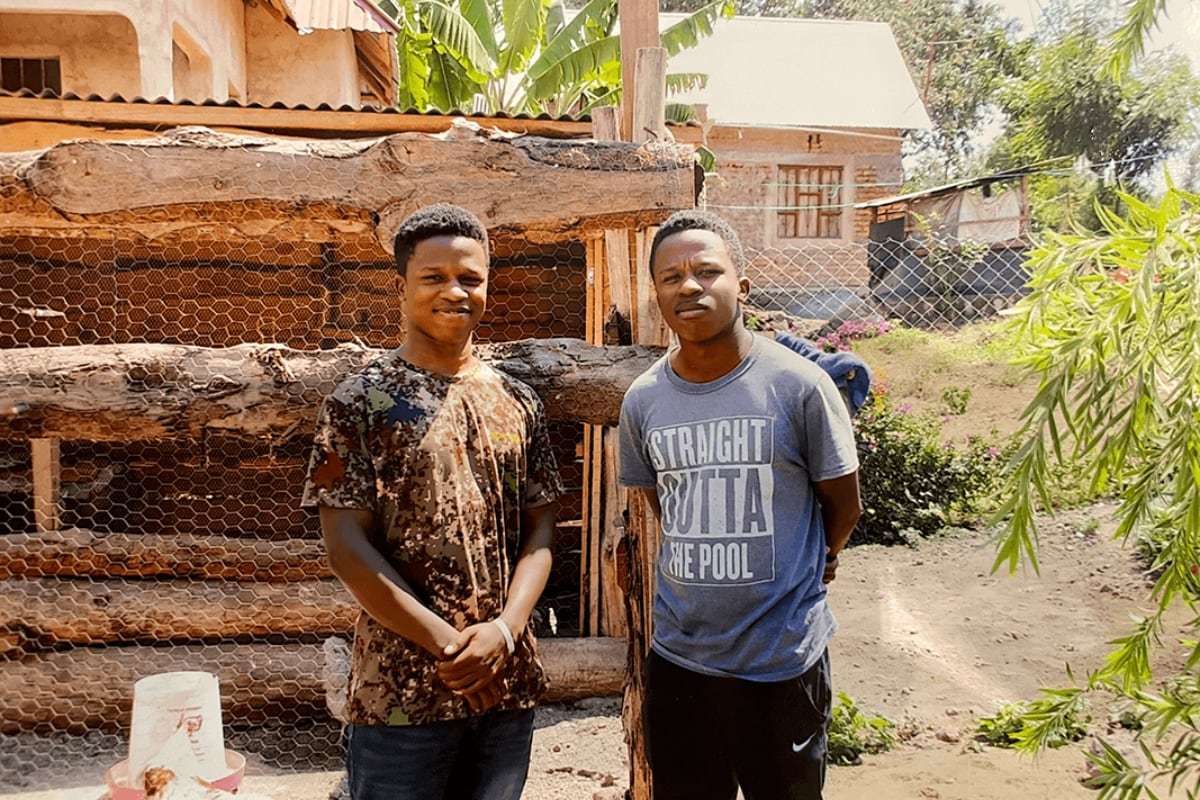
Since 2013, we have also been supporting the NGO Partnership for Africa e.V., which focuses on children and adolescents from difficult circumstances in Tanzania. From the beginning, our donations have helped to provide a safe environment for the twin brothers Goodluck and Godlisten. Here you can follow the story of our sponsored children.
FAMAB Foundation
WUM Brand Spaces is a founding member of the FAMAB Foundation. The foundation was initiated in 2011 by the industry association fwd: (formerly FAMAB). It supports and promotes social and charitable projects in the areas of nature and environmental protection, vocational training and talent development, as well as science and research.
Conviction Creates Commitment
With our self-imposed commitment and dedication to the “Ten Principles” and the “17 Sustainable Development Goals” (SDGs) of the United Nations, we also aim to contribute to the sustainable transformation of the economy. Although our company can only make a very small contribution to achieving the UN goals globally, we are determined to do so and support the initiative with full conviction.
Our Journey Continues
Since 2024, WUM Brand Spaces has been certified according to ISO 20121, demonstrating its ongoing commitment to greater sustainability in exhibition stand construction.
Interested?
Call us on +49 6021 4982 0
or write us a message!